Author: Sara Carreira
More than one hundred professors of FP of Hostalaría eTurismo of Galicia learn the new trends of the sector to train their students in the latest

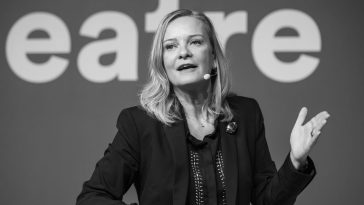
Throughout today, the FP Institute (CIFP) Paseo das Pontes de A Coruña welcomes more than one hundred Hospitality and Tourism professors from all over Galicia on a day on the new trends in the sector. Like flexitarianism, which means that a vegetarian, for example, stops being a social event, or that the proportions are reversed on the plate of a restaurant (instead of 70% meat and 30% vegetables, do so the other way). Eva Ballarin (@evaballarin), a trend, innovation and strategy researcher, consultant and professor at the Basque Culinary Center, spoke about this trend. She explained that social, economic, technological and political factors define trends in the sector, from which fashion is born. And in a matter of restoration, he listed some of the future lines:
- The hyperpersonalized offer. The result of “we are more cosmopolitan, more traveled, more curious” and that consumers from six different generations coexist in society, clients are looking for very specific things. “In Madrid and Barcelona – this expert explains – there are restaurants specialized in poke bowl” which is, for those who are not up to date in gastronomy, a Hawaii meal consisting of a rice base, with salmon or tuna «to which toppings are added, such as avocado or seeds ». The same goes for ramen, the Japanese soup that is already sold prefabricated in all supermarkets.
- The new proteins. Vegetable protein burgers are here to stay. This expert says that it points out that ecological awareness makes us look for alternatives to meat, while researching mass-produced products.
- Flexitarianism. Because of the concern for the environment, of a greater awareness that food is more than food, all variations of vegetarianism are born, and the last is this, which consists in reducing the intake of animal proteins but not making it disappear. “In many restaurants, the proportions of meat and vegetables on a plate are being reversed.”
- Liquid nutrition. “Smoothie stores and restaurants are already known throughout the West,” Ballarin said before an audience formed by hospitality professors. The FP, whose base is to prepare students for the labor market, cannot be oblivious to this new way of cooking and feeding, the researcher said.
- The gastronomic curiosity. Another example of how globalization and Instagram present us with new foods that we did not know. The quinoa is already part of the Spanish cupboards, but new proposals emerge every day. “In restaurant kitchens, foods that were unthinkable ten years ago are used.”
The audience of Ballarin, formed not by students but by professors, took note of each recommendation of the consultant. The day is organized by the CFR (teacher training center) of A Coruña and was its director, Emilio Veiga, who welcomed those present and valued “hard tarefa” for teachers to bring the update that leads to training to the best professionals in a sector that generates 11% of Galician GDP. Montserrat Penelas-Cortés, CFR advisor and coordinator of the day, especially highlighted the involvement of teachers, “arrived from all over Galicia” to learn and share experiences, and lamented that many times society does not know how well FP works in community.
The reflection of Federico Fritzsch (@Fedeflich), an expert in hospitality management, invited the professors present to reflect on the management of a place and change the traditional vision for one adapted to the times. For example, bet to say goodbye to Excel as a work program, and sign up for the news of Back Office, which includes very affordable programs even for SMEs but that allow “planning and data analysis”, something fundamental to “take the best decisions ». Because, as Fritzsch explained today, it is unthinkable to maintain a business in which only the creative part is served and there is no good management behind. And so that FP students do not miss any news, during the day they addressed food substitutes, such as artificial proteins or the alternative to chicken and tuna made from Almeria tomatoes. Before, there was a round table discussion about digitalization in the internal management of tourist establishments and their relationship with the marketing and social networks: «We are the image sector», the speakers explained. There is no doubt that social networks, especially Instagram, have taken the hospitality to another dimension in terms of image. Of course, they also warned of the risk that so much exposure entails, with the existence of realities where only a partial image of the profession is given.
In the afternoon it was the turn of the workshops, which was for everyone: showcooking, experience tourism, neuromarketing applied to tourism and digitalization of customer management. There was no lack of work on more or less traditional catering services.
Original article here (Spanish)